





How Clear Signage Reduces Staff Pressure at Amusement Parks
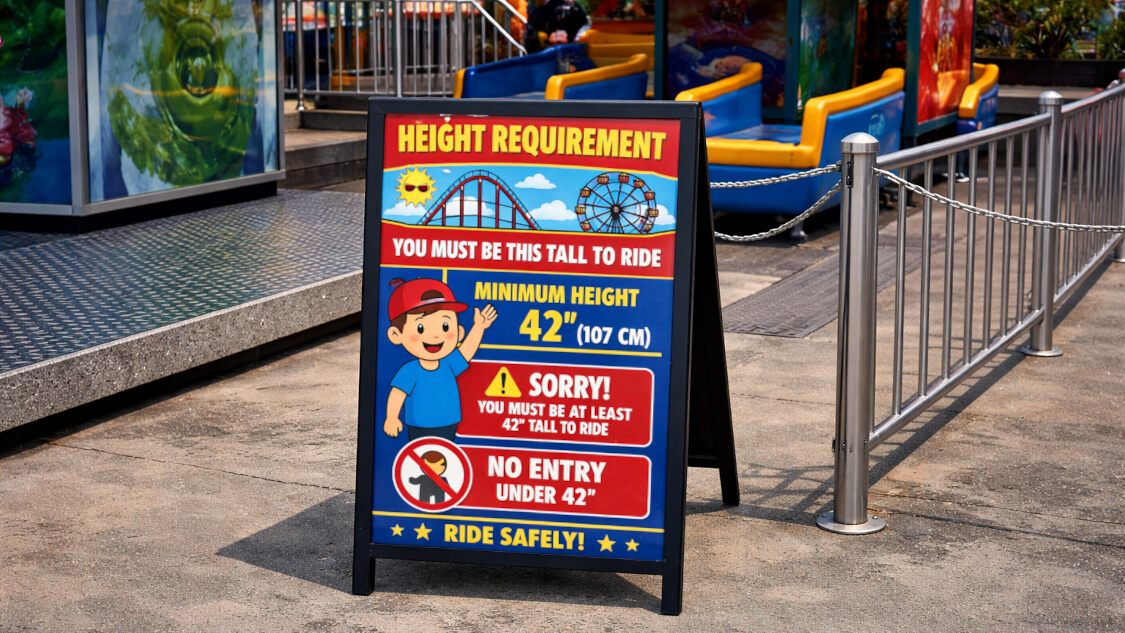
Anyone who’s worked in an amusement park during peak season knows the pressure points. Guests arrive in waves, lines form quickly, and staff are constantly answering the same questions:
“Where’s the ride entrance?”
“How long is the wait?”
“What’s on the menu today?”
When information isn’t immediately clear, frontline teams feel it first: stress, interruptions, and bottlenecks all pile up.
Clear, well-planned theme park signs play a crucial role in easing that pressure. They help guests find their way, understand what’s happening around them and make decisions independently. This frees staff to focus on safety, service and creating memorable experiences.
Answer Common Questions Before They’re Asked
From ride height restrictions and wait times, to show schedules and dining options, amusement park staff are asked the same questions repeatedly throughout the day.
Imagine a family approaching a busy rollercoaster. Clear signs show exactly where the queue starts, expected wait times, accessibility routes, and height restrictions.
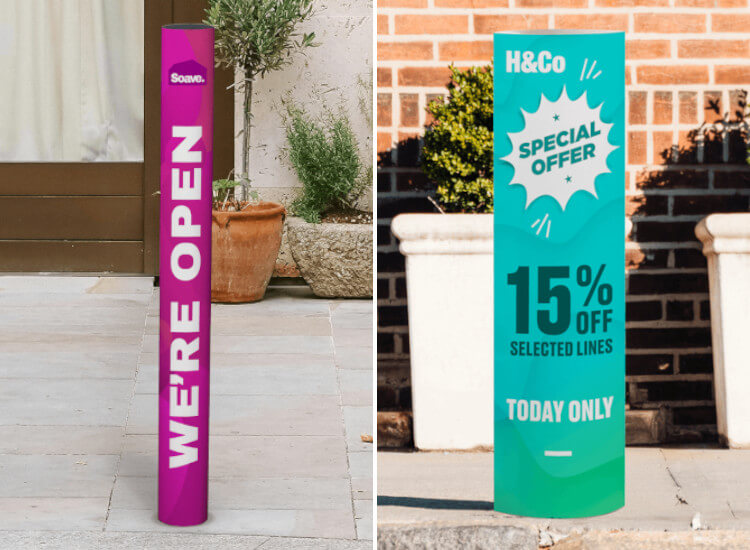
Place large display boards, digital screens, and pavement signs at decision points. This way, the same message reaches everyone, consistently and accurately, without the need for staff intervention.
Quick Tip: Place key information at natural pause points (such as entrances, ticket counters, and major intersections). This prevents bottlenecks before they start.
-

A1 Weatherproof Pavement Sign
WPGW In stockFrom: £122.27 ex. VATView -



Digital Display Totem
DDT In stockFrom: £995.00 ex. VATView -

Lockable Poster Case
SLF In stockFrom: £30.30 ex. VATView -

Indoor Showcard Stand
SS23 In stockFrom: £5.96 ex. VATView
Use the Right Signage in the Right Places
Many theme parks rely on a mix of digital and traditional signage to support guests and staff day to day:
- Modern solutions, like digital displays, are often used in key locations. They share changing information, such as queue times or event updates.
- Traditional displays, like pavement signs and snap frames, also play an important role. They provide directional guidance, safety messages, and daily notices across the site.
These formats are particularly effective outdoors and in high-footfall areas, where information needs to be clear, robust and easy to update without specialist support. Together, they create a flexible signage system that helps manage guest expectations and reduces the number of routine questions directed at staff.
Improve Queue Management and Crowd Flow
Queues are one of the biggest sources of stress for both guests and staff. Without guidance, visitors may hesitate, form multiple lines, or block walkways.
Clear signage helps:
- Direct guests into the correct queue
- Communicate expected wait times
- Highlight accessibility routes and rider requirements
In-queue signs also provide an ideal opportunity to promote merchandise, food, and special offers, while visitors are waiting around in one place.

Pavement signs and freestanding displays are particularly useful during busy periods, allowing teams to adapt layouts quickly without permanent changes.
Ensure Guest and Staff Safety
Safety signage is a vital, yet often overlooked, part of operations. Theme park safety signs help guests understand potential risks, and guide them safely through the park. They’re equally important for staff, who rely on signs for operating instructions, emergency procedures, and guest guidance.
It's important that your safety signs are clear and easy to interpret. Using internationally recognised symbols, multiple languages, and visually engaging graphics ensures everyone, including non-English speakers, can understand key messages.
Well-placed safety signs lower the chance of accidents. Displaying them also shows a clear commitment to safety, which reassures your guests. This allows staff to focus on supervising and engaging, instead of repeating instructions. Importantly, McGowan Allied also points out that safety signs protect the park from legal issues [1].
Provide Information To Boost Sales

Effective displays also have an important role in on-site restaurants and cafés, particularly during peak periods. Menu display boards help guests make decisions quickly. They promote upsells, keep queues moving, and reduce pressure on catering staff.
Reinforce this information once guests sit down, using tabletop menu holders to minimise repeat questions and order changes. In busy, family-focused environments, clear plastic menu folders are especially practical. They're easy to wipe clean, durable, and well suited to high-turnover dining areas where hygiene and speed matter.
Support Seasonal and Temporary Staff
Theme parks often rely on seasonal teams, many of whom are new to the site. Signs act as a consistent reference point for them. This helps staff to feel supported, and reduces the pressure of having to remember every detail.
When guests can find information independently, staff are better able to focus on their core responsibilities: monitoring safety, managing rides and delivering positive interactions.
Handle Real-Time Changes More Smoothly
Ride closures, weather-related changes and schedule adjustments are inevitable in outdoor attractions. Without clear communication, these moments can quickly escalate into guest dissatisfaction.
Digital signs allows operations teams to update information instantly, keeping guests informed and managing expectations. Clear displays during disruptions helps maintain trust and prevents staff from having to repeatedly explain the same situation.
Touchscreen digital signs are another great addition. They allow visitors to engage with information at their own pace, without needing to speak to a staff member.

Create a Better Experience for Guests and Staff Alike
When signage works well, the benefits are felt across the park. Guests feel more confident navigating the environment, queues move more smoothly, and staff spend less time answering routine questions.
Your amusement park signs become a silent support team, working throughout the day to guide, inform and reassure. For busy theme parks, it’s a simple but highly effective way to reduce pressure on staff, while improving the overall guest experience.
Action tip: Review high-traffic areas, decision points, and dining zones. Even small adjustments to signage placement or clarity can make a noticeable difference for staff and visitors alike.
-


Water Base Pavement Sign
WPG7 In stockFrom: £72.63 ex. VATView -

Clear American Style Menu Holder x 3
ATM In stock£18.57 ex. VATView -

Touchscreen Digital Display Totem
DDV In stockFrom: £1,350.00 ex. VATView -

Retractable Queue Barrier Systems
RTB In stockFrom: £20.38 ex. VATView -

Feather Flag with Custom Print
FG2 In stockFrom: £78.34 ex. VATView -


Outdoor Banner With Eyelets
BNR In stockFrom: £16.00 ex. VATView -


Cafe Barriers
PBB-SET In stockFrom: £43.47 ex. VATView -

Lockable Snap Frame Silver
PFGT7 In stockFrom: £15.99 ex. VATView
If you enjoyed this article...↗
Check out our Visitor Attractions Hub for advice and inspiration
References
1. ‘The Importance of Safety Signage at Amusement Parks’, McGowan Allied (August 27, 2019), https://mcgowanallied.com/amusement-park-safety-signage-and-its-importance/