




Styling vs Selling: Finding the Perfect Balance in Homeware Displays

Walk into any successful homeware or furniture showroom and you’ll notice two things immediately: it looks beautiful, and it feels easy to shop. Achieving that balance, however, is one of the biggest challenges retailers face.
Too much signage can disrupt a carefully styled space, while too little information can leave customers confused, hesitant, or reliant on staff. The key lies in blending styling and selling - creating displays that inspire customers while still guiding them towards confident purchasing decisions.
Here’s how homeware and furniture retailers can strike that balance using thoughtful visual merchandising and the right display solutions.
Why Styling Matters in Homeware Retail
Homeware and furniture purchases are emotional decisions. Customers want to imagine how a sofa will look in their living room, how a dining table will feel in their home, or how accessories will complete a space.
Well-styled displays spark inspiration and aspiration, and help customers visualise products in real-life settings. They can also be used to reinforce brand identity and quality.
Minimalism, neutral tones, and carefully-curated room sets are especially popular in modern UK homeware retail. But, while styling draws customers in, it can’t do all the work alone.
Why Selling Still Needs Structure
No matter how beautiful a display is, customers still need clarity. Price, size, materials, care instructions, and availability all play a role in moving someone from "I like this" to "I’ll buy it".
Without clear information customers may feel awkward asking for help, staff are interrupted repeatedly, and sales opportunities are lost.
The challenge is delivering that information without breaking the visual harmony of the space.

-


Double Sided Freestanding Acrylic Poster Holder
AD1 In stockFrom: £1.10 ex. VATView -

PVC Wallet with Welded Hole
FW2 In stockFrom: £0.13 ex. VATView -

Premium Slim LED Backlit Poster Frame Stand
MBLS In stockFrom: £109.14 ex. VATView -

Aluminium Poster Hanger
PSS1 In stockFrom: £3.66 ex. VATView
Top 5 Tips For Designing Displays That Do Both
1. Use Discreet, Minimalist Signage
Slimline poster holders, acrylic sign holders, and low-profile display stands allow you to present key information without dominating a styled area. Positioned at eye level or slightly offset from products, they provide clarity while keeping the focus on the merchandise.
For premium furniture or design-led homeware, less is more. Clean, well-designed signage often enhances a display rather than detracts from it.
Flexible display wallets are a popular choice as they can be adhered or tagged onto products.
2. Let Digital Signage Do the Heavy Lifting

Digital signage is an effective way to keep physical spaces uncluttered while still sharing rich content.
Screens can be used to:
- Show lifestyle imagery or videos of products in real homes
- Communicate sustainability credentials or craftsmanship stories
- Display rotating pricing, sizes, or colour options
- Touchscreens can be used to browse online catalogues and order online
Because digital content can be updated instantly, retailers can maintain a clean, styled environment without constantly swapping printed materials.
3. Separate Inspiration from Information
One of the most effective strategies is to separate styling zones from information points.
For example:
- Keep room sets clean and visually focused
- Place pricing and specifications on nearby freestanding signs
- Use sign holders at the edge of displays rather than within them
This approach allows customers to browse organically, then engage with details when they’re ready.
4. Keep Messaging Consistent with Your Brand
Every display element should feel like a natural extension of your brand. Materials, colours, and finishes matter just as much as the message itself.
A cohesive display strategy:
- Reinforces trust and professionalism
- Makes information easier to absorb
- Elevates the overall showroom experience
Choosing display products that complement your interior design helps information feel intentional, but not intrusive.

5. Think About the Customer Journey
From the moment someone enters your store, displays should guide them effortlessly.
Consider:
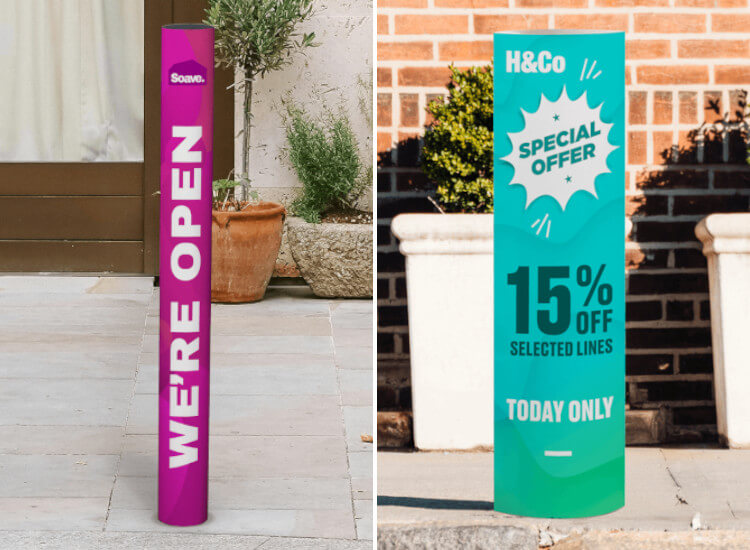
- Pavement signs that set expectations and draw in the right audience
- Entrance signage highlighting promotions or collections
- Subtle wayfinding displays that lead customers through different zones
When displays are thoughtfully placed, selling becomes part of the experience rather than a distraction from it.
The Sweet Spot Between Style and Sales
The most successful homeware and furniture retailers don’t choose between styling and selling, they design for both. By using well-considered display solutions, it’s possible to maintain beautifully-styled environments while still delivering the clarity customers need to buy with confidence.
When displays feel purposeful, unobtrusive, and aligned with your brand, they enhance the showroom rather than compete with it. This way, you can turn inspiration into action.
If you enjoyed this article...↗
Check out our Homeware and Furniture Hub for more advice and insights.
-


Digital Display Totem
DDT In stockFrom: £995.00 ex. VATView -


PVC Adhesive Flexible Wallet
FW5 In stockFrom: £0.13 ex. VATView -

PVC Wallet with Metal Eyelet
FW3 In stockFrom: £0.21 ex. VATView -

Free Standing Display Unit
FSD In stockFrom: £285.60 ex. VATView