








How Independent Furniture Retailers Compete with Big Brands In-Store

Independent homeware and furniture retailers face a familiar challenge. Large national brands benefit from scale, marketing budgets, and widespread recognition. Yet many customers still actively choose to shop with independents - not despite the differences, but because of them.
Competing in-store is about using your space more thoughtfully, presenting products with intention, and creating an experience that feels personal rather than mass-produced. With the right approach, independent retailers can turn their perceived limitations into genuine advantages.
Lean into What Independents Do Best
When customers walk into an independent furniture or homeware store, they don't expect the same experience they’d get from a national chain. They expect something more considered.
That might be better product knowledge, a more unique range, or simply a calmer environment where they can take their time. Your showroom should reflect those expectations.
"58% of consumers prefer buying furniture in-store"
Since a majority of consumers prefer to buy furniture instore rather than online [1], you should consider the instore experience to be a priority. Although larger basket sizes are seen with online purchases, physical stores remain important for inspiration and product examination [2].
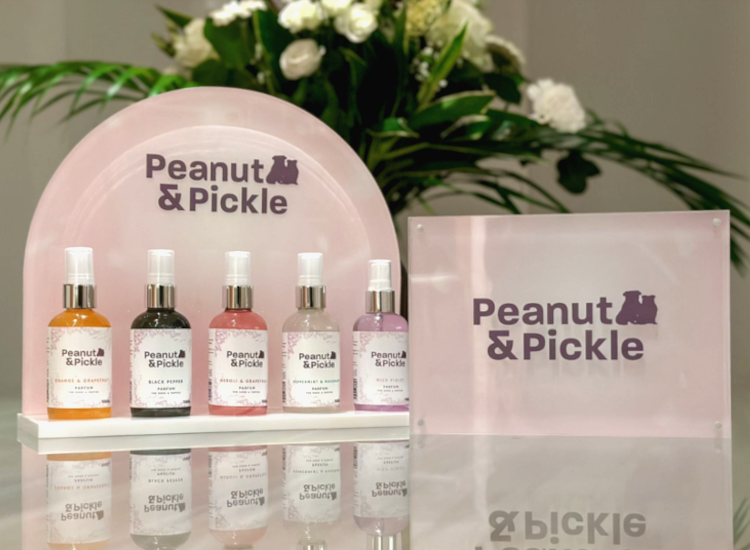
This is where thoughtful presentation begins to matter just as much as product selection. Displays, signage, and product information all play a role in reinforcing the idea that your store is deliberate, knowledgeable, and easy to shop...
Use Your Displays to Tell Stories

Large brands often rely on repetition and consistency across dozens of locations. Independent retailers have the freedom to be more expressive.
Displays can be used to explain where products come from, why certain materials have been chosen, or how a piece fits into a wider lifestyle. A short story about craftsmanship, sustainability, or design intent can add depth without overwhelming the space.
This is particularly effective when information is presented in a way that feels considered and visually aligned with the surroundings.
This approach mirrors the principles explored in Styling vs Selling: Finding the Perfect Balance in Homeware Displays, where information supports the environment rather than competing with it.
Create a Boutique Feel Rather Than a Busy Floor
One of the most noticeable differences between independents and big brands is density. National chains often prioritise volume; independents can afford to prioritise clarity.
A boutique-style showroom gives products room to breathe. Customers are more likely to engage when displays feel intentional rather than crowded, and when signage guides rather than distracts. Clear zoning, well-spaced room sets, and discreet product information help shoppers move through the space naturally and comfortably.
The goal here is to present what you sell in a way that feels confident and curated, rather than just stacking products in high quantities.
Stay Agile Where Big Brands Can’t
Agility is one of the strongest competitive advantages independent retailers have. You can adapt quickly, respond to seasonal changes, and highlight new or limited collections without navigating layers of approval.
Flexible display solutions make this even easier. Messaging can be updated, pricing adjusted, or features highlighted without reworking the entire showroom. Easy-to-update sign holders and reusable label holders, along with foldaway display stands, allow your space to evolve without losing consistency.

These practical benefits sit alongside the broader ideas explored in How Smart Visual Merchandising Transforms Furniture & Homeware Retail, where adaptability and clarity play a key role in customer experience.
Win on Trust Rather Than Price
Independent retailers rarely aim to be the cheapest, and customers don’t expect them to be. What they do expect is honesty and transparency.
Clear pricing, visible product information, and straightforward messaging around delivery and customer service, all help customers feel confident. When people don’t need to search for answers or interrupt staff for basic details, the buying process feels calmer and more reassuring.
Trust is built through clarity, and clarity is supported by well-placed, well-designed displays.
Make Smaller Spaces Work Harder

Independent stores often operate with less floor space, which makes every square metre more important. Displays need to look good, while guiding, informing, and attracting attention in key places.
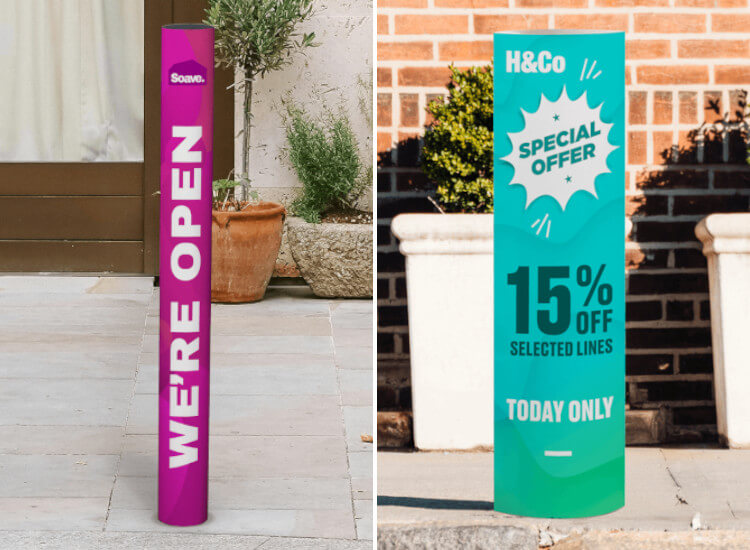
Window displays and pavement signs can help set expectations before customers even walk in. Inside, subtle wayfinding and carefully positioned information ensure visitors don’t miss key collections or feel unsure about where to go next.
When space is used intelligently, a smaller showroom can feel more focused and more effective than a much larger one.
Stand Out by Being More Thoughtful
Big brands compete on scale. Independent furniture and homeware retailers compete on care, detail, and intention.
By using displays to support storytelling, clarity, and confidence, independents can create in-store experiences that feel genuinely distinctive. When your showroom reflects the same care as the products you sell, competing with big brands becomes less about keeping up, and more about standing apart.
If you enjoyed this article...↗
Check out our Homeware and Furniture Hub for more guides and insights...
-

Wooden Card Holder Base
CWB In stockFrom: £3.97 ex. VATView -

Chrome & Acrylic Floor Standing Poster Holder
MBC In stockFrom: £88.07 ex. VATView -

Aluminium Poster Hanger
PSS1 In stockFrom: £3.66 ex. VATView -


Snap Frame 25mm Frame
PFG In stockFrom: £3.35 ex. VATView -

A Board Pavement Sign
ABG In stockFrom: £48.07 ex. VATView -


PVC Adhesive Flexible Wallet
FW5 In stockFrom: £0.13 ex. VATView -

PVC Wallet with Metal Eyelet
FW3 In stockFrom: £0.21 ex. VATView -


Wood Ladder Display Shelves
BRL In stockFrom: £237.22 ex. VATView
References
1. ‘Expert Roundup: Understanding The Modern Furniture Shopper’ (3 December 2024), Cylindo, https://blog.cylindo.com/understanding-the-modern-furniture-shopper-expert-roundup.
2. ‘UK Furniture Retailing Market Report 2025’ (2025), Mintel, https://store.mintel.com/report/uk-furniture-retailing-market-report.