






Small Displays, Big Profits: Gym Merchandising That Drives Revenue

Gym owners are increasingly looking beyond membership fees to grow revenue, and merchandising is one of the most effective ways to do it. From supplements and drinks to branded clothing and accessories, many gyms already stock products members want. The challenge is making those products visible, appealing and easy to buy.
With the right display approach, even a small retail area can become a reliable income stream without disrupting the workout experience.
Merchandising Starts with Visibility
If members don’t notice your products, they won’t buy them. Successful gym merchandising is about placing products naturally along the member journey, where people pause, wait or pass through regularly.
Reception desks, exit routes and high-traffic areas are ideal locations for freestanding merchandising displays or countertop units.
Modular displays, such as slatwall and gridwall, allow you to easily update your merchandising displays whenever you need to. They're also highly visible and save on floor space. Clear pricing and simple messaging help members make quick decisions without feeling pressured.
Rather than filling every available surface, focus on giving key products space to breathe. A tidy, well-presented display often outperforms a crowded one.

Using Digital Signage to Add Context
Digital signage gives gyms the opportunity to explain why a product is worth buying, not just what it is. A short piece of on-screen content can highlight benefits, usage tips or limited-time offers, helping members feel informed rather than sold to.
Digital displays work particularly well for:
- Promoting new products or launches
- Highlighting bundles or member-only offers
- Supporting personal training or nutrition services
Because content can be updated instantly, digital signage keeps merchandising flexible and relevant without the need for constant reprinting.
-

Free Standing Display Unit
FSD In stockFrom: £285.60 ex. VATView -

Three Tier Confectionery Acrylic Merchandising Display
CTM02 In stock£73.86 ex. VATView -

MDF Slatwall Panels
WSP In stockFrom: £11.48 ex. VATView -

Gridwall Mesh Panels
GRD In stockFrom: £19.43 ex. VATView
Encouraging Impulse Purchases (Without Being Pushy)
Impulse buys happen when convenience meets relevance. Members starting or finishing a workout are far more likely to grab a drink, protein bar or accessory if it’s clearly displayed and easy to access.
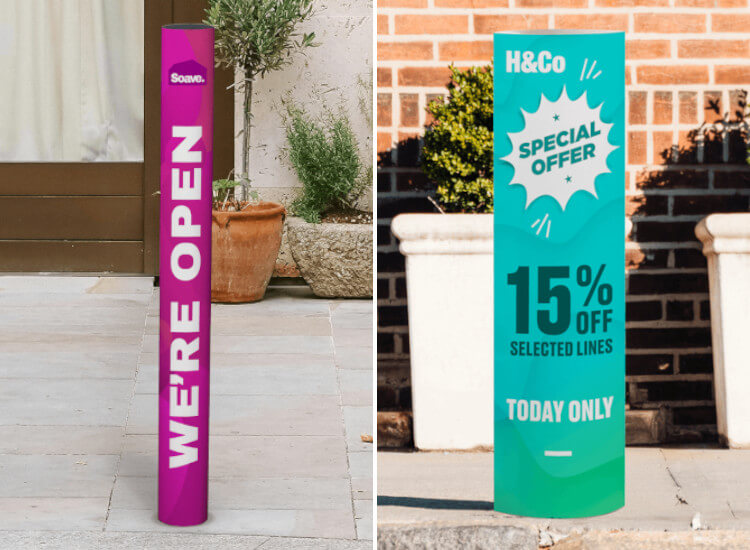
This is where smaller, strategically placed displays come into their own. Floor-standing sign holders or freestanding display units near entrances/exits and changing areas can gently prompt a purchase at exactly the right moment.
Clear signage is key: members should be able to understand what the product is and how much it costs at a glance.
Seasonal Displays That Keep Things Fresh
Refreshing your displays throughout the year keeps your gym environment feeling active and up to date. Seasonal merchandising doesn’t need to be complicated; it can be as simple as changing the focus of a display or updating the messaging around it.
For example, January might focus on supplements and starter kits, while summer highlights hydration and lightweight apparel. Using poster holders and modular display systems makes it easy to update campaigns without starting from scratch each time.
 Seasonal Gym Marketing Ideas That Actually Get Members Through the Door
Small Changes, Measurable Results
The most successful gym merchandising strategies evolve over time. By moving displays, rotating products or adjusting signage, gyms can quickly see what resonates with members.
Even small tweaks, such as repositioning a display or simplifying a message, can lead to noticeable improvements in sales.
Final Thoughts
Merchandising doesn’t need a large footprint to be effective. With thoughtful placement, clear communication and the right mix of physical and digital displays, gyms can turn underused space into a valuable revenue stream. Small displays, used well, really can deliver big profits.
-



Digital Display Totem
DDT In stockFrom: £995.00 ex. VATView -

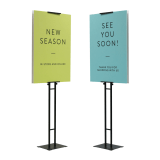
Adjustable Double Sided Poster Display Stand
DPS In stockWas: £40.00 From: £32.00 ex. VATView -


Angled Shelf Talker with Adhesive Return
PB6 In stockFrom: £0.53 ex. VATView -

Collapsible Dump Bin
CDB In stockFrom: £20.90 ex. VATView
If you enjoyed this article...↗
Check out our Specially-Selected Range of Displays For Gyms and Leisure Centres...